New Westminster Quay: A Local's Complete Guide to the Waterfront Boardwalk

This post covers everything you need to know about walking, biking, and enjoying the New Westminster Quay waterfront boardwalk. Whether you're a longtime resident looking for a new route or someone who hasn't explored the riverfront in years, this guide breaks down access points, amenities, and what to expect along the Fraser River shoreline. The boardwalk has evolved significantly over the past decade, and even if you walked it last summer, chances are you'll notice something different this time around.
What's the best way to walk the New Westminster Quay boardwalk?
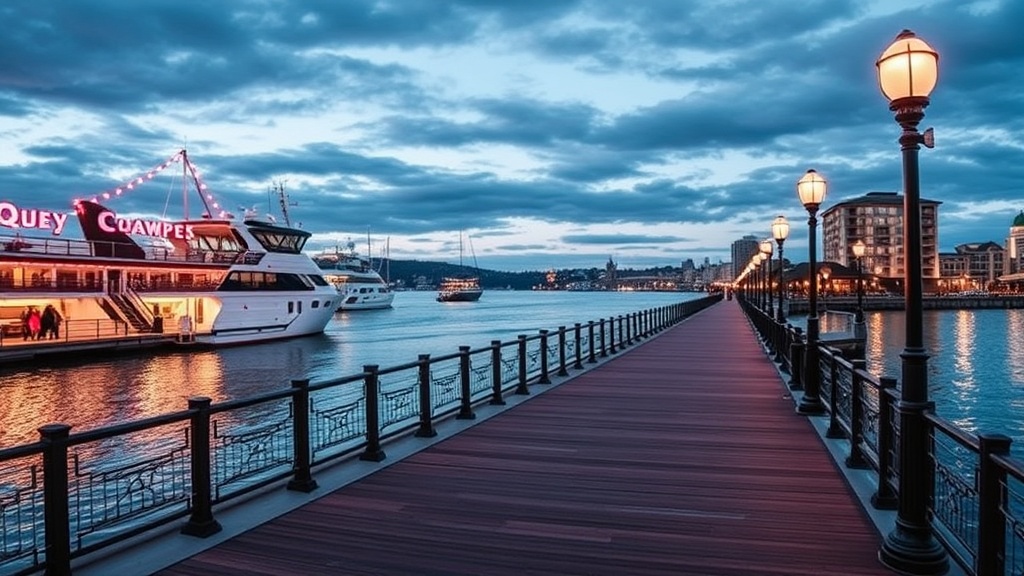
The boardwalk stretches roughly 2.5 kilometres from the River Market at the Quay to Westminster Pier Park, offering a flat, paved path that's accessible year-round. You can start at either end, but many locals prefer beginning at the River Market (formerly the Quay Public Market) and heading east toward the pier park. The path runs parallel to the Fraser River, giving you unobstructed views of the water, the SkyBridge, and the working river traffic that still defines this part of New Westminster.
That said, the route isn't completely uninterrupted. You'll cross a few streets—most notably Begbie Street and Front Street—where you'll need to watch for traffic signals. The walk takes about 30 to 45 minutes one way at a leisurely pace, though you might want to budget more time if you plan to stop at the playgrounds or seating areas along the way. Cyclists can use the path too, though you'll want to keep speeds down around the tighter curves near the River Market dock.
Here's the thing: the boardwalk really shines during weekday mornings and weekday evenings, when the crowds thin out and you can actually hear the river. Weekend afternoons get busy with families, cyclists, and the occasional event at Westminster Pier Park. If you're looking for a quieter experience, try heading out before 9 AM on a Tuesday or Wednesday. The light hits the water differently then—golden and low, reflecting off the tugboats moored near the rail bridge.
Seasonal changes matter more than you'd think. In summer, the afternoon sun beats down hard on the western sections near the River Market, while Westminster Pier Park offers better shade thanks to its mature trees. Winter brings moody skies and the occasional eagle sighting—birds that follow the salmon runs and perch in the cottonwoods along the shoreline. Spring delivers cherry blossoms near the Columbia Street entrance, and fall turns the boardwalk into a corridor of yellow and orange as the deciduous trees shed their leaves onto the path.
What facilities can you find along the New Westminster waterfront?
You'll find washrooms, water fountains, bike racks, and covered seating areas spaced along the entire route. The most substantial facilities sit at Westminster Pier Park, where the city invested in modern washroom buildings, a water bottle refill station, and the iconic "WOW Westminster" public art installation—those giant white cranes that light up at night and have become a sort of unofficial symbol for this corner of the city.
Worth noting: the River Market end offers different amenities. Inside the market building, you'll find public washrooms on the main floor and a small food court, though remember—this isn't a food review. The outdoor plaza features seasonal planters and benches facing the river, plus a small off-leash dog area near the paddlewheeler dock where your pet can sniff around while you watch the boats. The plaza also hosts a water feature in summer—shallow pools where kids splash around while parents keep one eye on the Fraser River traffic.
| Section | Distance | Surface | Key Features | Best For |
|---|---|---|---|---|
| River Market to Begbie Street | 0.6 km | Paved concrete | Paddlewheeler views, dog area, plaza seating | Short walks, coffee strolls, transit connections |
| Begbie Street to Front Street | 0.8 km | Boardwalk planks | Fraser River views, benches, industrial heritage | Photography, quiet reflection, bird watching |
| Front Street to Pier Park | 1.1 km | Paved asphalt | Playground, public art, shade trees, covered areas | Families, longer walks, rainy days |
The catch? Not every section has the same level of shelter. If you're caught in a typical Lower Mainland drizzle, the covered areas at Westminster Pier Park offer better protection than the more exposed stretches near the River Market. Pack a light jacket—you know how unpredictable April weather can be in New Westminster. The city installed several emergency call boxes along the route after dark, a sensible addition given that some sections feel isolated once the office workers head home.
Where should you park when visiting New Westminster Quay?
Street parking along Front Street offers the most convenient access, with metered spots running parallel to the boardwalk for much of the route. The city charges $1.50 per hour, and enforcement runs from 9 AM to 8 PM Monday through Saturday. Sunday parking is free—a detail worth remembering if you're planning a weekend visit with the family. Pay stations accept coins, credit cards, and the PayByPhone app that many locals already use downtown.
That said, the River Market Parkade provides covered parking right at the Quay's entrance, with rates hovering around $2 per hour or $10 for the day. It's pricier than street parking, but your car stays dry during those sudden New Westminster downpours that seem to come out of nowhere on otherwise clear afternoons. The lot connects directly to the market via elevator, making it practical if you're walking with young children or anyone with mobility considerations. On the third level, you'll find electric vehicle charging stations—two Level 2 chargers that see steady use from locals running errands.
The Westminster Pier Park lot—located at the eastern end off Columbia Street—offers another 80 spaces, though it fills quickly on summer weekends when the playground draws families from across the city. Transit users can take the SkyTrain to Columbia Station and walk south about 10 minutes to reach the boardwalk. Several bus routes (including the 112 and 155) also stop within a block of the waterfront. If you're cycling, the Central Valley Greenway connects directly to the Quay, offering a separated bike path all the way from Vancouver without fighting traffic.
What about the paddlewheeler?
The Paddlewheeler Riverboat Tours operates from the dock adjacent to the River Market from May through October. While the tours themselves aren't free, watching the boat load and unload passengers costs nothing—and it's become something of a local pastime. The MV Native, their smaller vessel, runs lunch and dinner cruises that loop past Queensborough and the industrial waterfront. You'll often see wedding parties posing for photos on the dock, the white boat serving as a backdrop. During the Hyack Festival in May, the paddlewheeler offers special fireworks cruises that give you a view of the celebrations from the water.
Is the boardwalk accessible for everyone?
Yes—the entire route meets or exceeds City of New Westminster accessibility standards, with gentle grades, curb cuts at all crossings, and benches placed every 50 to 75 metres. The surface transitions from concrete to wooden planks to asphalt, but all materials remain relatively smooth for wheelchairs, strollers, and mobility scooters. The City of New Westminster maintains the path year-round, clearing leaves in autumn and salting during those rare icy mornings in January.
The playground at Westminster Pier Park includes accessible swings and a rubberized surface that works well for mobility devices. Washroom facilities at both ends have automatic doors and accessible stalls. That said, the boardwalk planks near Begbie Street can get slippery when wet—a function of the wood aging in the damp coastal climate. The city replaces sections periodically, but you'll want to take care during those misty November mornings when everything glistens with moisture.
What wildlife might you spot?
The Fraser River estuary supports more biodiversity than most residents realize. From the boardwalk, you can regularly see harbour seals popping their heads above water near the dock pilings—curious animals that seem to enjoy watching humans as much as we enjoy watching them. Great blue herons stalk the shoreline at low tide, particularly near the eastern end where the habitat gets more natural and the riparian vegetation provides cover. During fall salmon runs, you might spot fish jumping—or the occasional sea lion chasing them, their barks echoing across the water.
Birdwatchers know this stretch well. Double-crested cormorants dry their wings on the old pier remnants, looking like miniature dinosaurs against the skyline. Belted kingfishers rattle past, hunting for small fish. In winter, you might spot buffleheads or goldeneyes—small diving ducks that winter in these waters. The Birds Canada organization lists the New Westminster waterfront as a significant stopover for migratory species, and the Christmas Bird Count regularly records over 40 species along this short stretch of river.
How has the New Westminster Quay changed over the years?
The waterfront you see today barely resembles the industrial working waterfront that dominated New Westminster through the 1970s. Where families now push strollers and cyclists glide past, warehouse buildings once stored lumber and manufactured goods bound for global markets. The River Market building itself operated as a wholesale produce terminal until the 1980s, when the city began reimagining the Quay as a public space. You can still see remnants of that era—old pilings, rusted hardware, the occasional piece of industrial archaeology revealed when the tide drops low enough.
Worth noting: the transformation hasn't pleased everyone. Some longtime residents miss the grittier, working-class character of the old waterfront, when this was a place of commerce and industry rather than recreation. The industrial operations that remain—primarily west of the boardwalk—remind visitors that New Westminster still functions as a deepwater port city, not just a bedroom community for Vancouver. Those container cranes you see across the river in Surrey? They represent the modern continuation of the river trade that built this city in the first place.
The "WOW Westminster" sculpture at Pier Park represents this tension beautifully. Those white cranes evoke the cargo handlers that once dominated the skyline, even as they serve as a backdrop for yoga classes and children's birthday parties. It's a complicated legacy—one that continues to shape debates about development along the waterfront. When the city proposed additional towers near the Quay, the public hearings filled with residents arguing about density, views, and what kind of city New Westminster wants to become.
What's next for the Quay?
The Waterfront Esplanade project aims to extend the boardwalk even further east, connecting Westminster Pier Park to the Sapperton landing area. Construction has faced delays—the 2020 fire at the pier park didn't help, destroying the old wooden structure and forcing a complete rebuild—but the city remains committed to a continuous waterfront trail from the Quay to the Patullo Bridge replacement. When finished—projected for 2027—residents will have nearly five kilometres of uninterrupted riverfront path.
That said, don't wait for the grand opening to explore what's already there. The existing boardwalk offers enough variety for a solid afternoon walk, a morning run, or an evening of people-watching with a coffee from one of the Front Street cafés. Whether you're training for the Vancouver Half Marathon (which passes through here each spring) or just stretching your legs after a long week, the New Westminster Quay delivers one of the best urban waterfront experiences in Metro Vancouver. The benches are free, the views cost nothing, and the river keeps rolling past regardless of what happens on land.
The river keeps moving. So does our community. And this stretch of boardwalk—imperfect, evolving, occasionally crowded—belongs to everyone who calls New Westminster home.